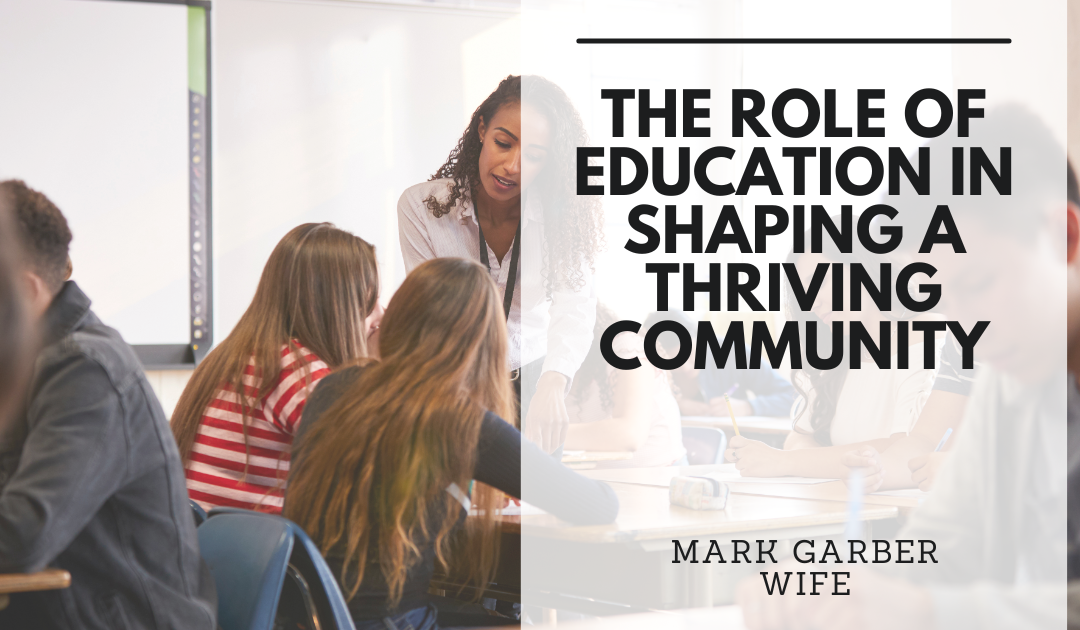
Education is the cornerstone of any thriving community. It acts as the foundation upon which individuals build their lives, careers, and relationships, while also shaping the collective future of the community. Through education, individuals gain knowledge, develop skills, and foster values that contribute not only to their personal growth but also to the prosperity and well-being of society as a whole. When a community prioritizes education, it creates an environment where people are equipped to overcome challenges, innovate solutions, and engage in positive, impactful social change.
One of the most significant roles that education plays in shaping a thriving community is through the empowerment of individuals. Access to quality education provides people with the tools to break the cycle of poverty, elevate their socio-economic status, and improve their quality of life. In communities where education is valued, individuals are more likely to find stable employment, contribute to local economies, and engage in active citizenship. These individuals become not just participants in the economy but also leaders, mentors, and role models who inspire others to follow a path of growth and achievement.
Education also fosters critical thinking, problem-solving, and innovation—skills that are essential for addressing the complex challenges that communities face today. From environmental sustainability to economic development, educated individuals are equipped to think creatively and propose solutions to pressing issues. Moreover, when a community invests in education, it creates a pipeline of future leaders who are prepared to tackle societal problems in innovative ways. A community with a strong educational system is better positioned to attract businesses, foster entrepreneurship, and build a skilled workforce capable of adapting to changing industries and technologies.
In addition to individual empowerment and innovation, education is instrumental in promoting social cohesion and inclusivity. A well-rounded education system fosters understanding and respect among people from diverse backgrounds, teaching individuals about different cultures, perspectives, and experiences. When people are educated, they are more likely to value diversity and engage in collaborative efforts to strengthen community ties. Inclusive education creates a sense of belonging, where everyone, regardless of their race, ethnicity, or socio-economic status, has the opportunity to contribute to and benefit from the community’s growth and prosperity.
Furthermore, education plays a vital role in shaping the values and ethics of a community. Schools and educational institutions are not just places for academic learning; they are environments where young people learn about morality, integrity, and responsibility. By teaching respect for others, fostering empathy, and encouraging volunteerism, education instills values that contribute to building a caring and supportive community. These values are passed down from one generation to the next, ensuring that each new cohort of individuals carries forward the principles of fairness, equity, and mutual respect.
Another essential aspect of education in building a thriving community is its ability to reduce crime and promote public safety. Communities with high levels of education typically experience lower crime rates because educated individuals are more likely to make informed decisions, avoid risky behaviors, and contribute positively to their surroundings. Education provides individuals with the knowledge and skills to understand and address the root causes of crime, such as poverty, lack of opportunity, and social inequality. Moreover, educational institutions often collaborate with law enforcement and local organizations to provide prevention programs, mentorship, and community outreach, which further help in reducing crime and building trust among community members.
A thriving community also requires a solid foundation of civic engagement, and education is a key driver of this engagement. People who are educated about their rights, responsibilities, and the democratic process are more likely to participate in community decision-making, vote in elections, and advocate for policies that benefit the public good. Educated individuals are also more likely to get involved in local organizations, volunteer their time, and contribute to charitable causes. By fostering an informed and engaged citizenry, education ensures that communities remain dynamic and responsive to the needs of all members.
Education is also a crucial tool in addressing social inequalities. When communities invest in equitable access to education for all children, regardless of their background, they create a level playing field where everyone has the opportunity to succeed. Providing education in underserved areas, where resources may be limited, is essential for ensuring that all individuals have the tools they need to overcome obstacles and contribute to society. Additionally, programs aimed at improving literacy, technical skills, and vocational training can help individuals gain employment and break the cycle of poverty, leading to greater economic stability and community well-being.
Ultimately, the role of education in shaping a thriving community cannot be overstated. It empowers individuals, fosters innovation, strengthens social bonds, and promotes economic growth. A strong educational system not only equips people with the knowledge and skills they need to succeed but also helps to build a culture of shared values, civic responsibility, and mutual respect. By prioritizing education, communities can create a foundation for long-term prosperity, social harmony, and a better future for all.