Communities thrive when people come together with a shared commitment to support one another. While infrastructure, economic development, and public services are important, the true strength of any community lies in its people. The relationships, connections, and collective efforts of community members play a vital role in creating environments where individuals and families can succeed.
In an increasingly connected world, it can be easy to overlook the importance of local engagement. Yet strong communities remain essential to overall well-being and quality of life. They provide support during difficult times, celebrate successes together, and create opportunities for meaningful personal and professional growth.
One of the most significant benefits of a strong community is the sense of belonging it provides. People naturally seek connection and purpose. When individuals feel connected to their neighborhoods, organizations, schools, and local institutions, they are more likely to become active participants in shaping positive outcomes.
Community involvement can take many forms. Some individuals volunteer with local nonprofits, while others participate in neighborhood associations, youth sports programs, charitable organizations, or civic initiatives. Regardless of the specific activity, involvement helps create stronger bonds between residents and fosters a greater sense of shared responsibility.
Volunteerism is one of the most powerful ways individuals can contribute to their communities. Local organizations often rely on volunteers to support important programs and services. Whether mentoring young people, assisting at food banks, supporting community events, or participating in environmental initiatives, volunteers help address needs that might otherwise go unmet.
Beyond the direct impact of service, volunteering also benefits those who give their time. It provides opportunities to meet new people, develop skills, and gain a deeper understanding of community challenges and opportunities. Many volunteers discover that giving back is one of the most rewarding experiences they can have.
Strong communities are also built through collaboration. No single organization or individual can solve every challenge alone. Meaningful progress often occurs when businesses, nonprofit organizations, schools, local governments, and residents work together toward common goals.
These partnerships can address a wide range of issues, from education and public safety to economic development and healthcare access. By leveraging diverse perspectives and resources, communities can create more effective and sustainable solutions.
Local businesses often play an important role in community development as well. Beyond providing jobs and economic activity, many businesses actively support charitable initiatives, sponsor community events, and contribute to local causes. These efforts help strengthen community ties while demonstrating a commitment to social responsibility.
Youth engagement is another critical component of community success. When young people are encouraged to participate in service projects, leadership opportunities, and civic activities, they develop valuable skills and a stronger sense of responsibility. Investing in future generations helps ensure that communities remain vibrant and resilient over time.
Technology has changed the way people communicate, but it has not diminished the value of face-to-face interaction. Community events, local gatherings, volunteer projects, and neighborhood initiatives continue to provide important opportunities for people to connect on a personal level.
These connections become especially important during times of challenge. Communities that have established strong relationships are often better equipped to support one another during emergencies, economic hardships, or unexpected difficulties. Trust and cooperation provide a foundation for resilience.
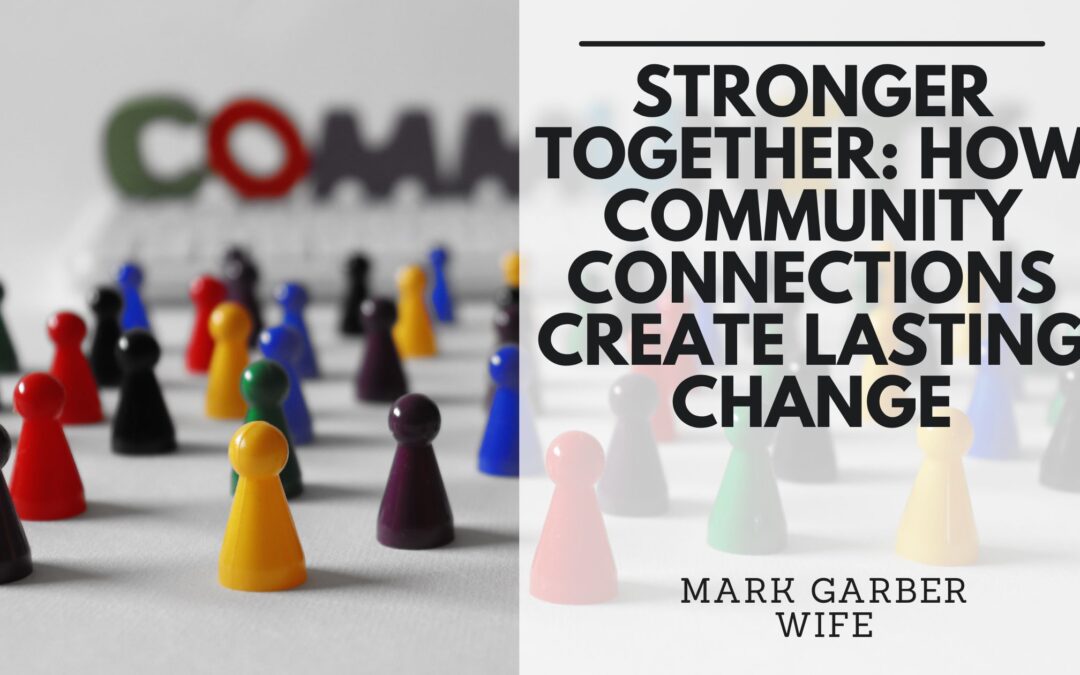
Perhaps the most inspiring aspect of community involvement is its ripple effect. One act of kindness often inspires another. A volunteer encourages a friend to get involved. A successful community project motivates additional initiatives. Small efforts accumulate over time and contribute to meaningful, lasting change.
Strong communities are not built by a select few individuals. They are built collectively by people who care about their neighbors and are willing to invest in the places they call home. Through service, collaboration, and meaningful engagement, individuals have the power to make a positive difference.
The strongest communities understand a simple truth: when people work together, everyone benefits. By fostering connection, encouraging participation, and supporting one another, communities can create brighter futures and lasting opportunities for generations to come.