
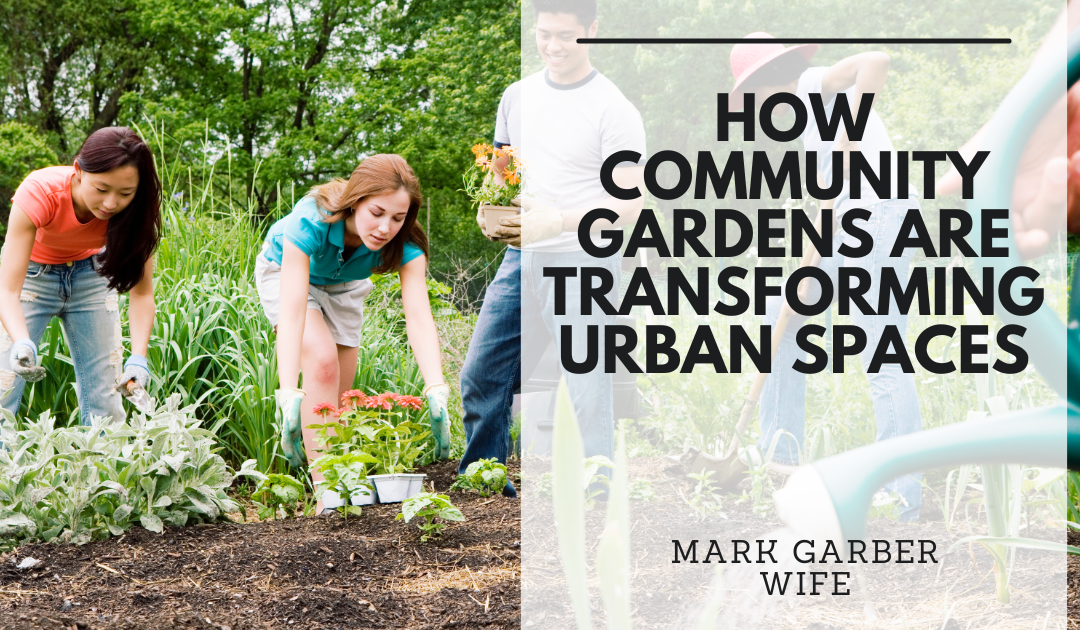
In recent years, community gardens have emerged as a vibrant solution to some of the most pressing challenges facing urban areas today. As cities around the world grapple with rapid population growth, environmental concerns, and a growing need for green spaces, community gardens have become a powerful tool for transforming urban environments. These shared spaces, where residents come together to grow food, cultivate plants, and engage with their neighbors, are changing the way we view and interact with our cities. They are reshaping urban landscapes, fostering connections between people, and promoting sustainability in ways that go beyond what traditional parks and open spaces can offer.
One of the most significant ways community gardens are transforming urban spaces is by reclaiming unused or neglected land. Many cities, especially those with dense populations, struggle with a lack of green spaces. Vacant lots, abandoned buildings, and underutilized plots of land often sit unused, contributing to urban blight. Community gardens offer a way to revitalize these spaces, turning them into thriving, productive environments that benefit everyone in the neighborhood. What was once an eyesore or a forgotten plot of land can be transformed into a beautiful, lush garden where food is grown, flowers bloom, and community events take place. This transformation not only improves the visual appeal of the area but also boosts property values and encourages further investment in the surrounding neighborhood.
Community gardens also play a crucial role in addressing food insecurity, particularly in urban areas where access to fresh, healthy food can be limited. In many cities, food deserts—areas with little or no access to grocery stores or fresh produce—are a growing concern. Community gardens offer a solution by providing residents with the opportunity to grow their own fruits, vegetables, and herbs. These gardens not only give people access to fresh, nutritious food but also teach valuable skills related to food production, sustainability, and healthy eating. In addition, community gardens often provide surplus produce to local food banks or other charitable organizations, helping to support the broader community and address hunger in underserved areas.
Beyond their role in food production, community gardens also foster a sense of connection and belonging among urban residents. In today’s fast-paced, digital world, many people feel disconnected from their neighbors and communities. Community gardens create a space where individuals from diverse backgrounds can come together with a shared purpose—caring for the garden and supporting one another. Whether it’s planting, watering, harvesting, or simply socializing while tending to the plants, community gardens offer opportunities for people to bond and build relationships. This sense of community can lead to stronger social networks, increased civic engagement, and a greater sense of responsibility for the well-being of the neighborhood.
The benefits of community gardens extend beyond food security and social connections—they also contribute to environmental sustainability. Urban areas are often plagued by issues like pollution, poor air quality, and the heat island effect, where concrete and asphalt absorb and retain heat, making cities warmer than surrounding areas. Community gardens help mitigate these environmental challenges in several ways. First, they increase the amount of greenery in urban areas, which helps to absorb carbon dioxide, reduce pollution, and improve air quality. Plants in the garden act as natural air filters, removing toxins from the environment and improving overall health. Additionally, the shade provided by trees and plants in the garden can help reduce the urban heat island effect, making the surrounding area cooler and more comfortable.
Another environmental benefit of community gardens is the promotion of sustainable gardening practices. Many community gardens emphasize organic farming methods, composting, and water conservation. These sustainable practices help reduce the environmental impact of food production, promote soil health, and conserve valuable resources like water. By growing food locally, community gardens also reduce the carbon footprint associated with the transportation of food from distant farms to urban grocery stores. This localized approach to food production is not only better for the environment but also promotes a deeper understanding of the ecological processes that sustain life.
The impact of community gardens on mental health and well-being is another compelling reason for their growing popularity. Research has shown that spending time in nature, even in urban environments, can have a positive effect on mental health, reducing stress, anxiety, and depression. Community gardens provide an accessible and welcoming environment where people can escape the hustle and bustle of city life, connect with nature, and engage in physical activity. Gardening itself has been shown to have therapeutic benefits, as it encourages mindfulness, relaxation, and a sense of accomplishment. The social aspect of community gardening also helps combat feelings of isolation and loneliness, which are common in urban environments.
In addition to their environmental and social benefits, community gardens are also an educational resource. Many gardens offer programs and workshops that teach people about gardening, sustainability, nutrition, and environmental stewardship. These educational opportunities help to empower individuals, giving them the knowledge and skills they need to make informed decisions about food, health, and the environment. For young people, community gardens can serve as a hands-on classroom where they learn about science, ecology, and agriculture in a practical, engaging way.
Finally, community gardens contribute to the broader movement of urban agriculture, which is gaining momentum as cities look for ways to become more self-sufficient and resilient in the face of challenges like climate change and global food insecurity. By growing food locally, cities can reduce their dependence on external food supply chains, making them more resilient to disruptions. Community gardens play a key role in this shift by providing a model for how urban spaces can be used to produce food sustainably and collaboratively.
In conclusion, community gardens are transforming urban spaces in ways that benefit individuals, neighborhoods, and the environment. By reclaiming unused land, addressing food insecurity, fostering social connections, promoting sustainability, and improving mental health, these gardens are making cities more livable, resilient, and connected. As more and more cities recognize the value of community gardens, we can expect to see these green spaces continue to grow in number and impact, shaping the future of urban living.