
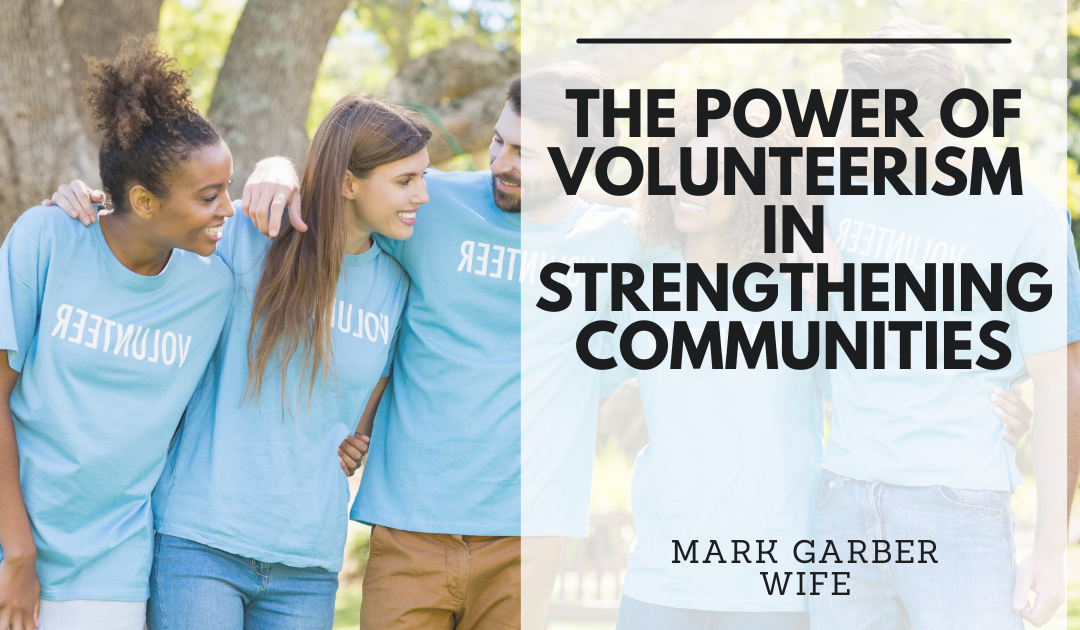
Volunteerism has long been a cornerstone of community engagement, offering individuals a meaningful way to contribute to the betterment of society. By giving their time, skills, and resources, volunteers help build stronger, more resilient communities that can address a wide range of social, environmental, and economic challenges. Whether it’s helping at a local food bank, coaching youth sports teams, or participating in neighborhood clean-up projects, volunteerism fosters a spirit of cooperation and shared responsibility that can make a profound difference.
At its core, volunteerism is about people coming together to support one another. The act of volunteering not only provides immediate benefits to the recipients of assistance, but it also strengthens the bonds between community members. It creates a sense of shared purpose and solidarity, where individuals feel connected to each other and invested in the well-being of their community. This sense of unity is especially important in times of crisis, such as during natural disasters or public health emergencies, when communities must rely on collective action to overcome challenges. Volunteers often step up in these situations, providing essential services and support to those in need.
The benefits of volunteerism extend beyond the community level. Research has shown that volunteering can have a positive impact on the volunteers themselves. By engaging in acts of service, individuals gain a sense of fulfillment and personal satisfaction. Volunteers often report feeling a greater sense of purpose, increased self-esteem, and enhanced mental well-being. In fact, studies have suggested that people who volunteer regularly experience lower rates of depression, anxiety, and stress. The social connections formed through volunteering can also help reduce feelings of loneliness and isolation, which are particularly important in an increasingly fragmented society.
In addition to its emotional and psychological benefits, volunteerism plays a critical role in addressing pressing social issues. Many organizations and charities rely heavily on volunteers to carry out their missions, from providing food and shelter to those in need to advocating for social justice and environmental protection. Without the time and effort of volunteers, these organizations would struggle to fulfill their objectives, and many important programs would be unable to operate. Volunteers are often the backbone of services like tutoring, mentorship, and healthcare, filling gaps in public services and ensuring that resources are directed to where they are most needed.
Volunteerism also plays an essential role in bridging gaps between different segments of society. It creates opportunities for people from diverse backgrounds, ages, and experiences to work together toward a common goal. This can help to foster understanding and empathy across cultural, generational, and socioeconomic lines. For example, seniors who volunteer at schools may find themselves connecting with young students, while people from different ethnic backgrounds can collaborate on community development projects. These interactions can break down stereotypes and build mutual respect, creating a more inclusive and cohesive community.
Furthermore, volunteerism encourages civic engagement, which is vital for a thriving democracy. When individuals volunteer, they are often exposed to the broader issues facing their communities and the mechanisms for addressing them. This can inspire greater participation in local governance, such as voting or attending town hall meetings, as well as a heightened awareness of social justice issues. Volunteers may go on to become community leaders or advocates for change, carrying forward the lessons learned through their volunteer work to make lasting improvements in society.
Another important aspect of volunteerism is its economic impact. While volunteers are not paid for their work, their contributions generate significant value for communities. According to various studies, the economic impact of volunteerism is immense, with billions of dollars in value generated each year through volunteer labor. This is particularly important for non-profit organizations and local governments, which often operate on tight budgets. Volunteers provide valuable services at no cost, allowing organizations to allocate their financial resources to other critical areas. In this way, volunteerism can be a cost-effective solution to addressing community needs and ensuring that vital programs continue to thrive.
Despite the many benefits of volunteerism, challenges remain in mobilizing individuals to give their time and energy. Some communities face barriers to volunteer participation, such as lack of time, limited access to transportation, or a lack of awareness about available opportunities. To overcome these barriers, it is essential to create inclusive volunteer programs that cater to the needs and abilities of different individuals. This might include offering flexible volunteer schedules, providing transportation options, or ensuring that volunteer roles are accessible to people with disabilities.
Ultimately, the power of volunteerism lies in its ability to bring people together, create meaningful change, and strengthen the fabric of society. By volunteering, individuals contribute to their community’s well-being while also experiencing personal growth and fulfillment. Whether it’s addressing immediate needs or working toward long-term solutions, volunteerism is a vital force for good that can shape stronger, more connected communities for generations to come.