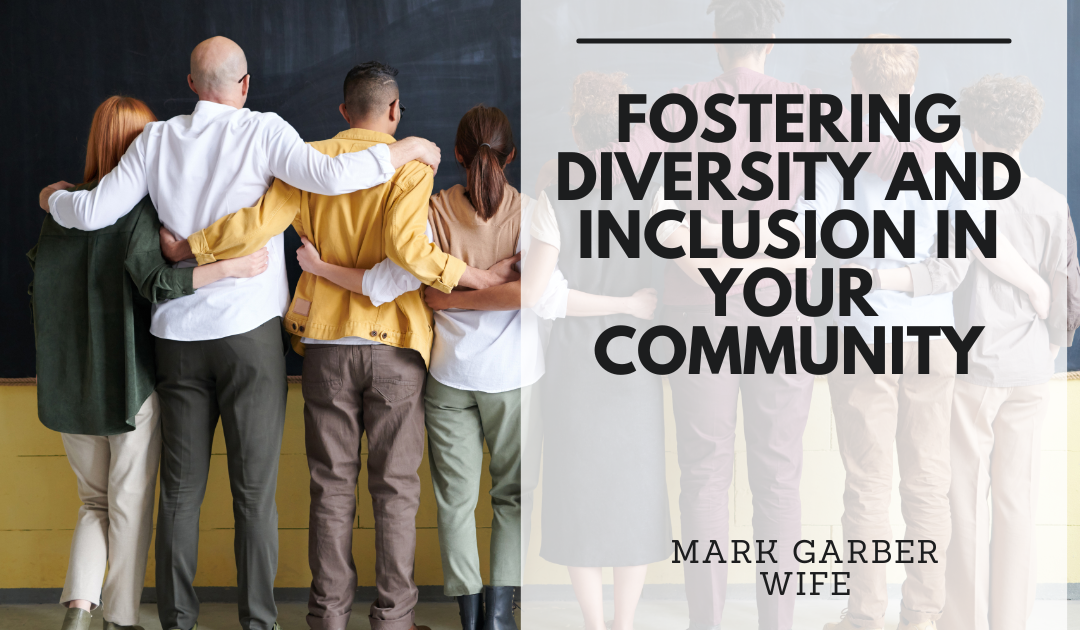
Creating a community that values diversity and inclusion is essential for fostering a harmonious, equitable, and thriving environment. Diversity encompasses a wide range of factors, including race, ethnicity, gender, age, sexual orientation, socioeconomic status, ability, and cultural background. Inclusion refers to the practice of ensuring that all individuals, regardless of their differences, feel valued, respected, and able to contribute fully to society. Fostering diversity and inclusion within a community is not just a matter of social responsibility; it also brings numerous benefits that enhance the quality of life for everyone involved.
One of the primary reasons for promoting diversity and inclusion in the community is to ensure that every individual feels a sense of belonging. When people from different backgrounds, experiences, and perspectives come together, they enrich the community by bringing unique ideas, talents, and insights. A community that embraces diversity is one where all members are encouraged to participate, collaborate, and contribute to the common good. This sense of belonging helps build stronger, more connected communities where people are motivated to work together toward shared goals.
Incorporating diversity and inclusion into community development can also have economic benefits. Diverse communities are better positioned to attract a wide range of businesses, talent, and investment. Companies are increasingly recognizing the value of diverse workforces, as they bring a broader range of skills, perspectives, and innovation. A community that celebrates diversity becomes a hub for creativity, which can lead to greater economic growth and prosperity. Additionally, inclusive communities are more likely to see improved educational outcomes, as all students, regardless of their background, are supported and encouraged to reach their full potential.
Beyond the economic advantages, diversity and inclusion promote social justice and equality. By fostering an inclusive community, we can break down barriers that have historically excluded marginalized groups. These groups may include racial and ethnic minorities, LGBTQ+ individuals, people with disabilities, and low-income families. By promoting diversity and inclusion, we ensure that everyone has access to the same opportunities and resources, reducing inequalities that can persist in society. Inclusive communities empower individuals to pursue their dreams and aspirations, regardless of their background or identity.
In addition to creating an equitable environment, fostering diversity and inclusion can improve community cohesion. Communities that embrace diverse perspectives are more resilient and adaptable to change. When people with different experiences collaborate, they bring fresh approaches to problem-solving and conflict resolution. This collaborative spirit helps communities navigate challenges with greater creativity and innovation. Furthermore, by learning to appreciate and respect differences, residents of diverse communities develop stronger relationships and greater empathy for one another. This, in turn, creates a more peaceful and supportive community atmosphere.
To foster diversity and inclusion, community leaders must take proactive steps to create an inclusive culture. One important strategy is to ensure that public spaces, services, and institutions are accessible to everyone, regardless of their background or abilities. This might involve implementing policies that protect civil rights, address discrimination, and promote equal opportunities in education, employment, and housing. Accessibility also extends to physical spaces, ensuring that public areas are designed to accommodate people with disabilities and that transportation systems are inclusive of all residents.
In addition to policy changes, community leaders can foster inclusion by promoting diverse representation in leadership roles. It is essential for people from all walks of life to have a voice in decision-making processes, and community leaders can actively work to ensure that leadership positions reflect the diversity of the population. By providing opportunities for underrepresented groups to take on leadership roles, communities create a more inclusive environment where everyone has an equal say in shaping the future.
Another critical element of fostering diversity and inclusion is to create spaces where people can learn about one another’s cultures, traditions, and experiences. Cultural events, workshops, and dialogue circles are valuable tools for increasing understanding and breaking down stereotypes. These activities help individuals appreciate the richness of diversity and develop a greater sense of empathy for others. When people feel heard and understood, they are more likely to engage in meaningful relationships and work toward the common good.
Ultimately, fostering diversity and inclusion is an ongoing process that requires commitment, effort, and collaboration from all members of the community. It involves not only creating policies that promote equality but also fostering a culture of respect, empathy, and understanding. Communities that embrace diversity are stronger, more vibrant, and more resilient, offering opportunities for growth, connection, and shared prosperity for all. By taking steps to foster inclusion and celebrate differences, communities can create a better future where everyone can thrive.